Beginner’s Guide to Collecting Hot Wheels
Collecting Hot Wheels is one of the easiest and most affordable ways to enter the world of diecast cars. With thousands of castings, colors, series, licensed vehicles, fantasy designs, and special releases available, the hobby can be as simple or as detailed as you choose.
Some collectors focus on favorite car brands. Others search for complete sets, rare variations, Treasure Hunts, movie vehicles, or nostalgic models from their childhood. There is no single correct way to collect Hot Wheels. The best collection is one built around the cars you genuinely enjoy.
This beginner’s guide explains the basics, including how to choose a collecting focus, understand packaging, organize your cars, avoid common mistakes, and shop more confidently.
What Are Hot Wheels?
Hot Wheels are small diecast toy vehicles produced by Mattel. Most standard Hot Wheels cars are approximately 1:64 scale, although the exact scale varies depending on the vehicle and casting.
The brand includes realistic licensed vehicles from manufacturers such as Ford, Chevrolet, Dodge, Porsche, Nissan, Honda, Toyota, Lamborghini, and many others. Hot Wheels also produces original fantasy castings created by its own designers.
Vehicles are released across several product lines, including:
-
Mainline cars
-
Premium series
-
Multi-packs
-
Store exclusives
-
Collector editions
-
Entertainment-themed vehicles
-
Special seasonal releases
Mainline cars are generally the most accessible starting point for new collectors.
Decide What You Want to Collect
One of the biggest beginner mistakes is trying to collect everything. Hot Wheels releases too many vehicles for most people to buy every model, color, and variation.
Choosing a focus makes the hobby more enjoyable and helps control spending.
Popular collecting themes include:
Favorite Vehicle Brands
You may decide to collect only Ford Mustangs, Chevrolet Camaros, Porsche models, Nissan Skylines, Honda vehicles, or another favorite manufacturer.
This is a simple way to build a collection that feels personal.
Specific Castings
Some collectors choose one casting and search for every color and release. Popular examples include Bone Shaker, Twin Mill, Volkswagen Kool Kombi, ’55 Chevy Bel Air Gasser, Datsun 510, and various Porsche 911 castings.
Collecting one casting can become challenging because certain older versions or exclusives may be difficult to find.
Realistic Licensed Cars
Collectors who prefer real automobiles may focus entirely on licensed models. This can include muscle cars, imports, trucks, exotic cars, race cars, and classic vehicles.
Fantasy Castings
Hot Wheels fantasy cars often feature exaggerated shapes, exposed engines, unusual wheels, animal themes, food designs, or futuristic details.
These vehicles may not represent real cars, but many have creative designs and long histories within the Hot Wheels brand.
Complete Series
A collector may attempt to complete a specific numbered series or themed assortment. The package usually identifies the car’s collection and its number within that group.
For example, a vehicle marked 3/10 is the third model in a ten-car mini collection.
Movie and Television Vehicles
Hot Wheels has produced vehicles inspired by films, television programs, video games, comic books, and popular entertainment franchises.
These can appeal to collectors who enjoy both diecast cars and entertainment memorabilia.
Treasure Hunts and Special Variations
Some collectors enjoy searching for harder-to-find releases, including Treasure Hunts and Super Treasure Hunts.
These should be treated as an exciting part of the hobby rather than the only cars worth collecting. Many regular mainline cars have excellent designs and can be just as enjoyable.
Understanding Hot Wheels Mainline Packaging
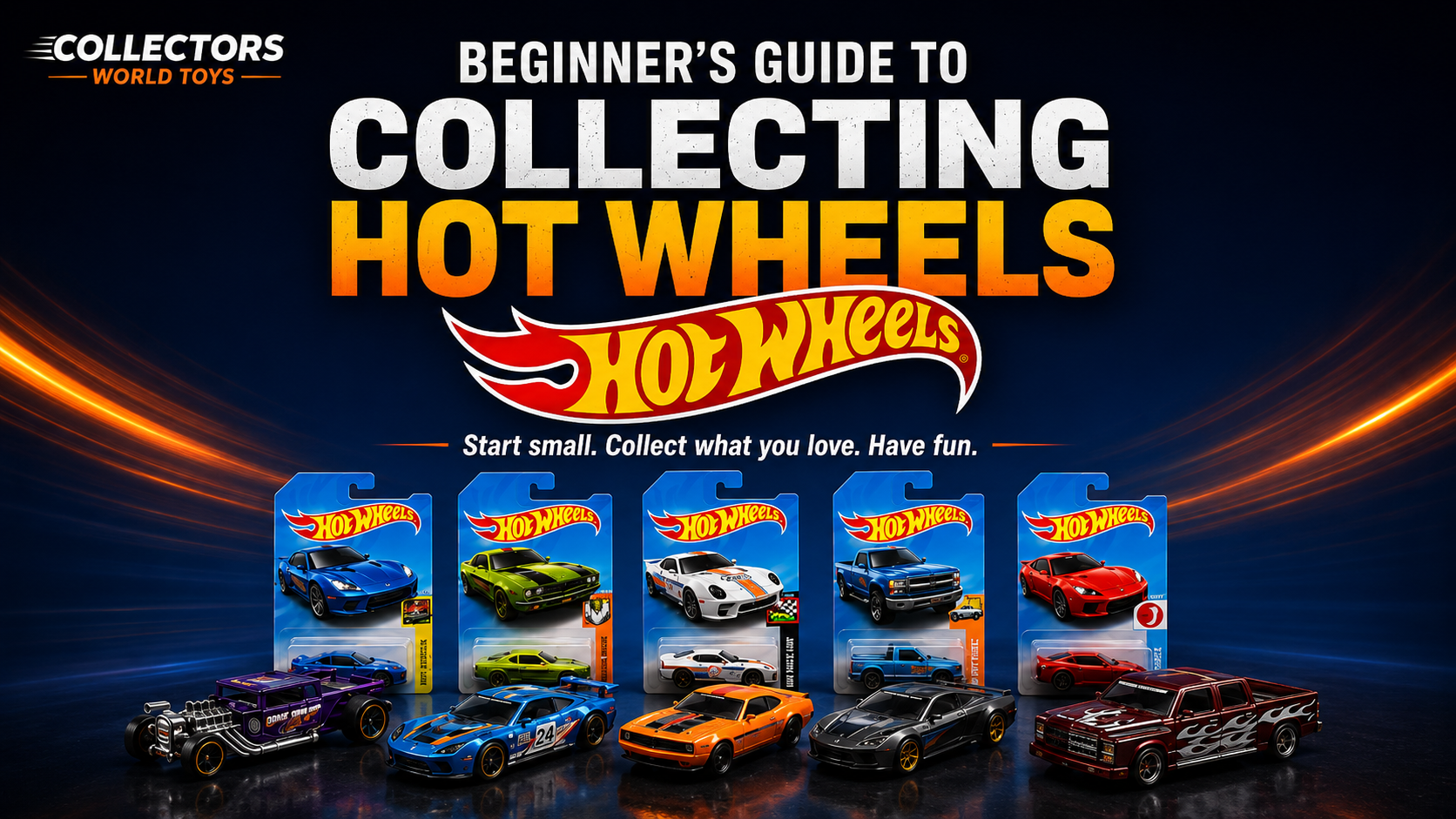
Most Hot Wheels mainline cars are sold in blister-card packaging. The car is sealed inside a clear plastic blister attached to a printed card.
The front of the package usually shows:
-
The Hot Wheels logo
-
Vehicle artwork
-
Casting name
-
Series name
-
Mini-collection number
-
Overall mainline number
-
Age recommendation
The packaging can help identify exactly which version of a casting you have.
What Do the Numbers on the Package Mean?
Hot Wheels packages often show more than one number.
A car may display a fraction such as:
4/10
This usually means the vehicle is number four within a ten-car themed mini collection.
Another number may identify the vehicle’s placement within the broader annual mainline assortment.
These numbers are helpful for organizing a collection, but they do not automatically indicate rarity or value.
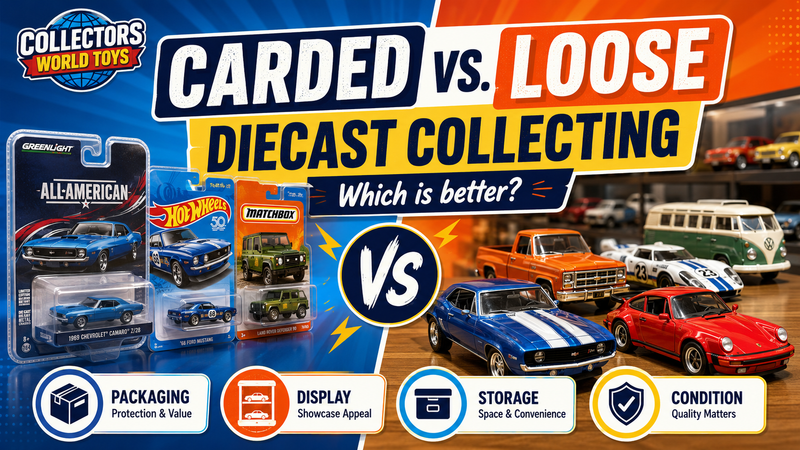
Carded Versus Loose Collecting
New collectors often wonder whether they should open their Hot Wheels.
There is no wrong choice.
Keeping Cars Carded
Carded cars remain sealed in their original packaging.
Advantages include:
-
The packaging identifies the exact release
-
The car remains protected
-
Complete sets can look attractive on a wall
-
Packaging artwork becomes part of the display
Disadvantages include:
-
Carded cars take up more space
-
Bent cards and cracked blisters can be frustrating
-
You cannot easily inspect or handle the vehicle
-
Storage may become difficult as the collection grows
Opening Cars
Loose cars are removed from their packages.
Advantages include:
-
You can handle and examine the vehicle
-
Loose cars require less storage space
-
Details are easier to photograph and display
-
You can create dioramas, tracks, and display scenes
Disadvantages include:
-
Paint can become scratched
-
Small parts may be damaged
-
The original packaging is lost
-
Identifying the exact release may become harder
Some collectors buy two examples of a favorite car: one to keep packaged and one to open.
What Are Treasure Hunts?
Treasure Hunts are special Hot Wheels releases mixed into regular retail assortments.
A standard Treasure Hunt usually includes a flame-circle symbol on the vehicle and may include a message or symbol on the package behind the car.
Super Treasure Hunts are upgraded versions of selected mainline castings. They often feature premium-style paint, special wheels, and a small “TH” marking.
Treasure Hunts can be exciting to find, but new collectors should avoid assuming that every unusual-looking car is rare. Learning the identifying details takes time.
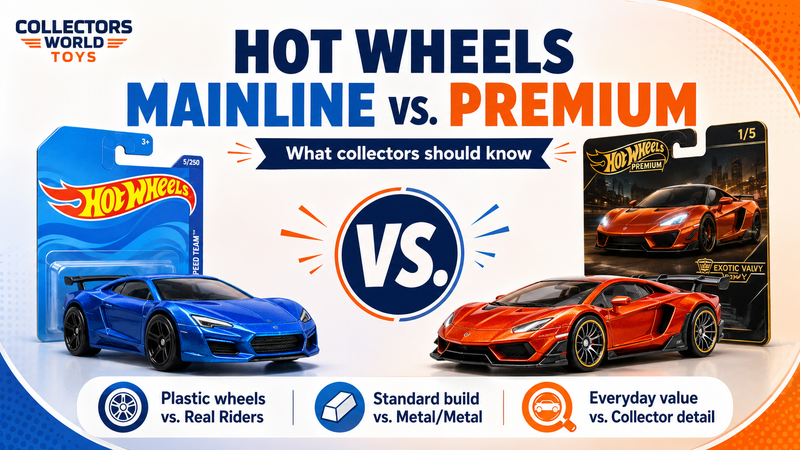
Learn the Difference Between Mainline and Premium Hot Wheels
Mainline Hot Wheels are the standard vehicles commonly found in toy aisles. They usually have plastic wheels and simpler construction.
Premium Hot Wheels often include:
-
Metal body
-
Metal base
-
Rubber tires
-
More detailed decoration
-
Licensed graphics
-
Collector-focused packaging
Premium cars generally cost more than mainline releases. They are popular with adult collectors because of their added weight and detail.
A beginner does not need to choose one type exclusively. Many collectors enjoy both.
Where to Buy Hot Wheels
Hot Wheels can be found in many places.
Common sources include:
-
Major retail stores
-
Grocery stores
-
Drugstores
-
Dollar stores
-
Toy stores
-
Online marketplaces
-
Diecast specialty shops
-
Flea markets
-
Antique malls
-
Toy shows
-
Collector conventions
-
Local buy-and-sell groups
Retail stores are useful for finding current releases, while specialty stores and online sellers can help locate older or harder-to-find models.
Be Patient When Hunting at Retail Stores
Store shelves may be full one day and nearly empty the next. Inventory can vary by location, shipment schedule, employee stocking, and collector activity.
Avoid buying a car only because you are afraid you will never see it again. Many standard releases appear multiple times throughout a year.
Patience can prevent overspending.
Inspect Cars Before Buying
For carded collecting, examine the package carefully.
Look for:
-
Bent card corners
-
Creases
-
Torn hanger tabs
-
Cracked blisters
-
Loose blisters
-
Scratched plastic
-
Price stickers
-
Water damage
For loose cars, check:
-
Paint chips
-
Bent axles
-
Missing parts
-
Cracked windows
-
Damaged wheels
-
Rust or corrosion
-
Marker or glue residue
Condition may matter more for older or higher-priced cars.
Do Not Assume Every Error Is Valuable
Manufacturing errors can include missing wheels, incorrect wheels, misplaced graphics, unpainted parts, or cars packaged on the wrong card.
Some collectors enjoy errors, but not every mistake is valuable.
A factory error is only worth what another collector is willing to pay. Many unusual listings online have high asking prices without actual sales to support them.
Buy errors because you find them interesting, not because someone claims they are worth a fortune.
How to Research a Hot Wheels Car
When identifying a vehicle, start with the casting name printed on the package or base.
Useful information to record includes:
-
Casting name
-
Manufacturer
-
Model
-
Color
-
Series
-
Series number
-
Mainline number
-
Release year
-
Toy number
-
Wheel type
-
Country of manufacture
-
Packaging variation
Collector databases, hobby guides, completed marketplace sales, and diecast communities can help identify specific versions.
Asking Price Is Not the Same as Market Value
An online seller can list a Hot Wheels car for almost any price. That does not mean the car is worth that amount.
To estimate value, compare recent completed or sold listings for the exact same vehicle.
Check that the examples match in:
-
Color
-
Release
-
Wheel type
-
Packaging
-
Card condition
-
Country or regional variation
-
Special markings
A sealed car in excellent condition may sell for more than a loose or damaged example, but rarity and collector demand still matter.
Set a Collecting Budget
Hot Wheels are inexpensive individually, but the cost can grow quickly.
A collector who buys several cars during every store visit may spend more than expected over a month.
A simple budget can include:
-
Weekly or monthly spending limit
-
Separate amount for premium cars
-
Separate amount for older collectibles
-
Shipping costs for online purchases
-
Display and storage expenses
Tracking purchases can help prevent duplicate buying and unnecessary spending.
Organize Your Collection Early
It is easier to organize a small collection than to sort hundreds of cars later.
You can organize Hot Wheels by:
-
Manufacturer
-
Casting
-
Color
-
Release year
-
Series
-
Vehicle type
-
Carded or loose condition
-
Premium or mainline
-
Favorite models
A spreadsheet or inventory app can record what you own and what you still need.
Useful inventory fields include:
-
Vehicle name
-
Series
-
Year
-
Color
-
Quantity
-
Condition
-
Purchase price
-
Storage location
-
Notes
Photographing your collection can also help prevent accidental duplicate purchases.
Storage Ideas for Carded Hot Wheels
Carded cars should be stored in a clean, dry area away from direct sunlight.
Possible storage methods include:
-
Plastic storage bins
-
Card protectors
-
Wall-mounted display rails
-
Pegboard hooks
-
Shelving
-
Custom display cases
Avoid areas with high humidity, extreme heat, or frequent temperature changes. These conditions can damage cards, blisters, and metal parts.
Do not overfill storage bins because pressure can bend the cards or crush the blisters.
Storage Ideas for Loose Hot Wheels
Loose cars can be stored in:
-
Compartment cases
-
Thread-organizer boxes
-
Display cabinets
-
Acrylic cases
-
Wall displays
-
Individual protectors
-
Custom wooden shelves
Make sure vehicles do not rub against each other if paint condition is important.
Soft dividers or individual compartments can reduce scratches.
Avoid Sunlight and Moisture
Direct sunlight can fade packaging, discolor plastic, and damage paint over time.
Moisture can cause:
-
Card warping
-
Mold
-
Rust
-
Corrosion
-
Blister separation
-
Damage to decals and graphics
Collectors should avoid storing cars in damp basements, hot attics, or outdoor buildings without climate control.
Join the Hot Wheels Community
Collector communities can make the hobby more enjoyable.
Local clubs, online groups, diecast forums, conventions, and toy shows are good places to:
-
Learn about new releases
-
Trade duplicate cars
-
Ask identification questions
-
Compare collections
-
Find older models
-
Share display ideas
Be respectful when trading and selling. Clearly describe condition, package damage, and variations.
Common Beginner Mistakes
Buying Everything
A large collection is not automatically a better collection. Buying every car can lead to clutter, duplicate purchases, and frustration.
Paying Too Much Too Soon
New collectors sometimes overpay because a car is described as rare. Research actual sales before making an expensive purchase.
Ignoring Condition
A damaged package or altered loose car may be worth less than a cleaner example.
Collecting Only for Profit
Most Hot Wheels are mass-produced. Some increase in value, but many remain inexpensive.
Collecting only for investment can remove much of the enjoyment from the hobby.
Failing to Track Purchases
Without an inventory, it is easy to buy duplicates or forget which versions you already own.
Comparing Your Collection to Others
Collectors have different budgets, interests, storage space, and experience. Build a collection that fits your own goals.
Should You Collect Hot Wheels as an Investment?
Some Hot Wheels can become valuable, especially older models, rare variations, limited releases, convention cars, and highly desirable castings.
However, future value is difficult to predict.
Condition, rarity, demand, packaging, authenticity, and collector trends all affect resale prices. A car that is popular today may not remain equally popular in the future.
The safest approach is to collect cars you would still enjoy owning even if their value never increases.
A Simple Starter Plan
A new collector can begin with a straightforward plan:
-
Choose two or three favorite themes.
-
Set a monthly budget.
-
Buy only cars that fit those themes.
-
Decide whether to collect carded, loose, or both.
-
Record each purchase.
-
Research before buying expensive cars.
-
Create a safe storage area.
-
Trade or sell unwanted duplicates.
-
Learn gradually instead of trying to master everything at once.
-
Focus on enjoyment rather than resale value.
Final Thoughts
Hot Wheels collecting can be a casual weekend hobby, a nostalgic connection to childhood, or a serious pursuit involving rare and historic diecast cars.
The variety is what makes the hobby special. A collector can enjoy inexpensive mainline releases, detailed premium vehicles, unusual fantasy castings, licensed classics, or complete series.
Start small, collect what genuinely interests you, and learn as your collection grows. The best Hot Wheels collection is not necessarily the largest or most expensive. It is the one that reflects your own taste and brings you the most enjoyment.